Global sustainability School

Home Sustainability School En

Learn Sustainability Where It's Happening

The Global Sustainability School at the Language Institute Chiang Mai University is an immersive learning program designed for international students and university partners who want to explore sustainability through real-world challenges, cultural insight and community based learning. 

Launched in summer 2022, the program brings together Chiang Mai University (CMU) experts, local communities, language institute facilitators and international learners to engage directly with some of Southeast Asia’s most urgent sustainability issues – from transboundary haze pollution and water security, to food systems, reforestation and climate change and resilience. 

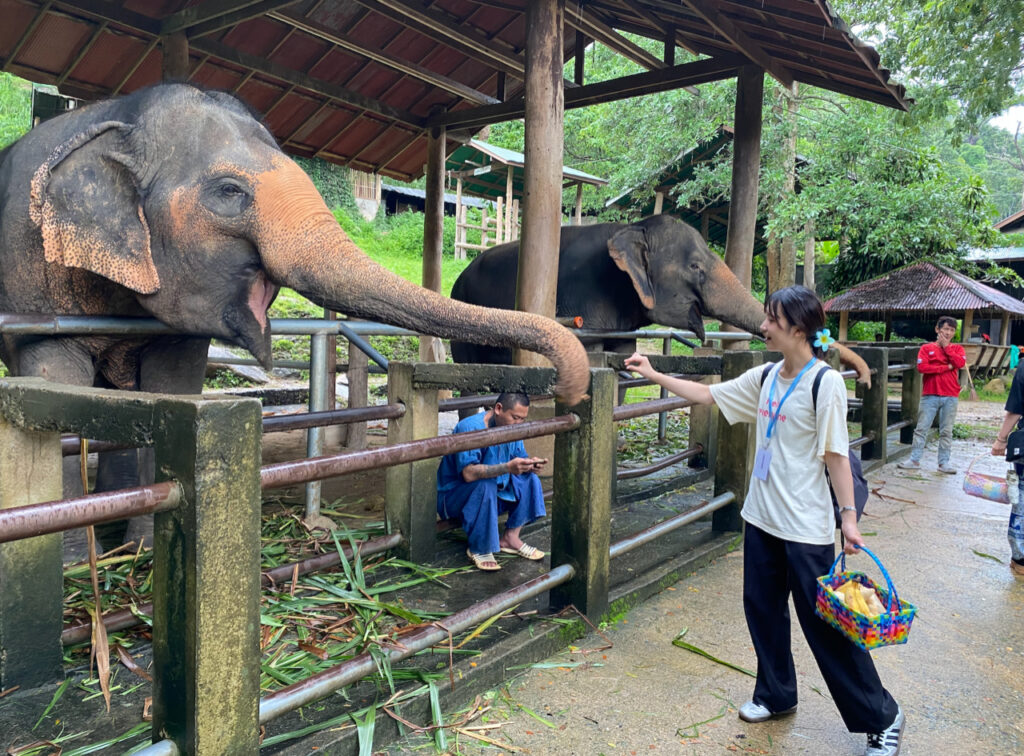
This study abroad program moves beyond the classroom, by allowing students to learn by doing, observing systems, meeting changemakers, collecting insights in the field and co-creating solutions through teamwork and reflection. 

Our Global Sustainability School includes a combination of:

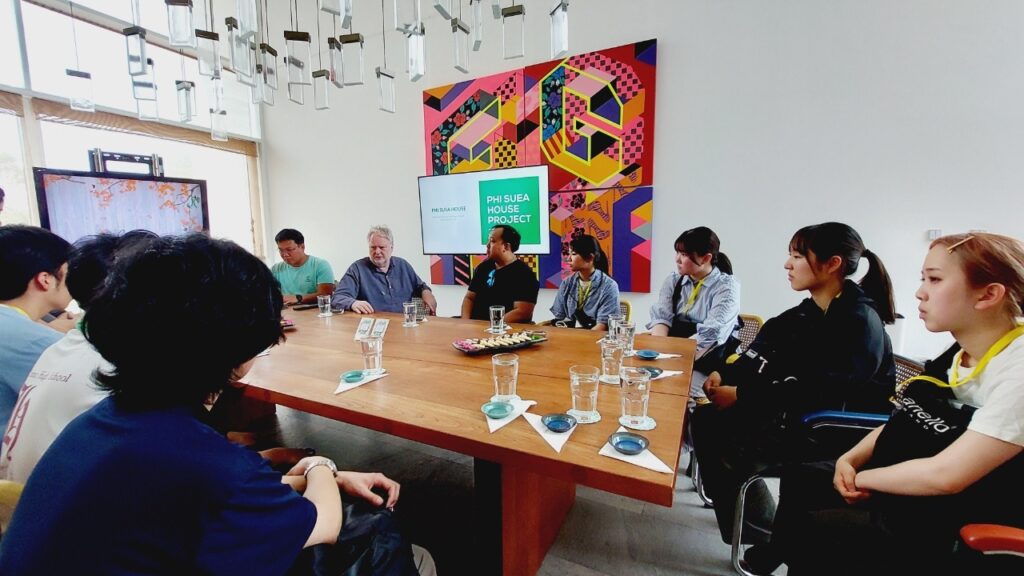
  • Interactive lectures, workshops and seminars with CMU faculty and sustainability practitioners
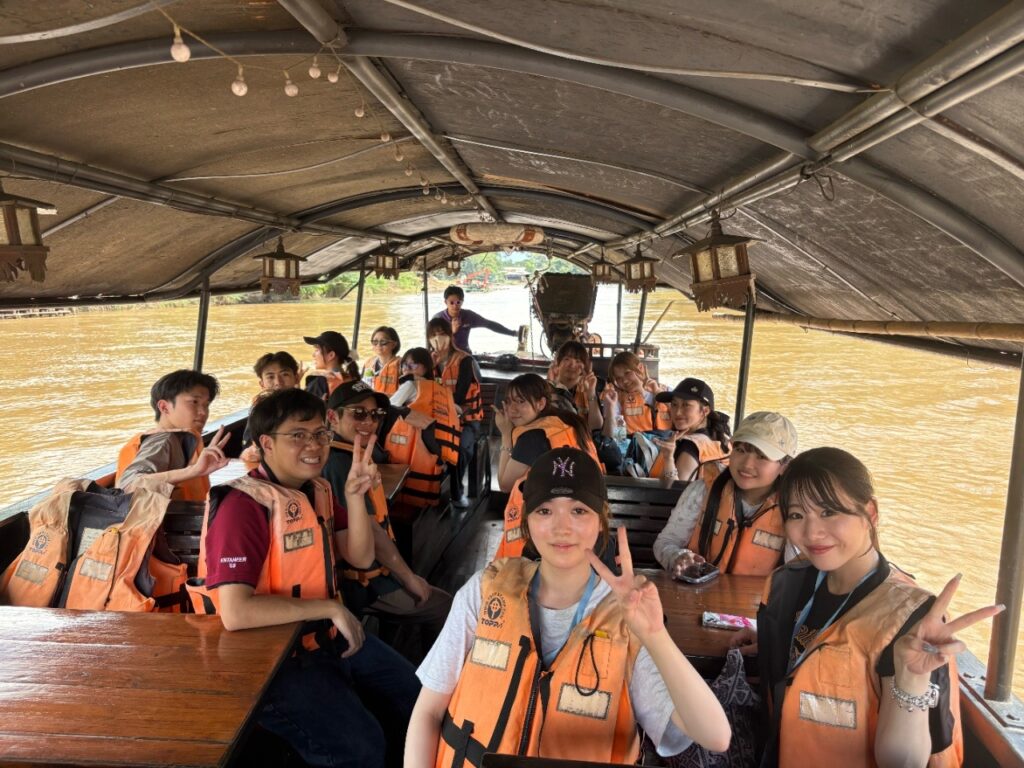
  • Field visits and site-based learning
  • Cultural learning components (Lanna heritage (northern Thai), local traditions, responsible tourism perspectives)
  • Team-based learning with local CMU students (through LICMU Buddy Program)
  • English for Global Communication sessions – designed to strengthen students’ ability to communicate sustainability ideas with conference in international settings.
  • Final presentations, reflection sessions and peer feedback

Chiang Mai University's Hub for Sustainability Abroad Programs

Language Institute serves as a university-wide hub at Chiang Mai University for short inbound sustainability programs, supporting international partners with program design, coordination and delivery. We work closely with CMU faculties, research centres and local experts on the group to curate high quality academic content and ensure every program is grounded in strong disciplinary knowledge, local insight and real world relevance.  

Chiang Mai University is internationally recognized for its commitment to sustainability. In the Times Higher Education (THE) Impact Ranking 2026, Chiang Mai University was ranked No. 44 in the world, reflecting  its continued commitment to sustainability. 

  • Top 20 for SDG-4 (Quality Education), SDG-5 (Gender Equality) and SDG-17 (Partnership for the Goals)
  • Top 50 for SDG-13 (Climate Action) 
  • Top 100 for SDG-1 (No Poverty), SDG-3 (Good Health and Well-being), SDG-9 (Industry, Innovation & Infrastructure), SDG-11 (Sustainable Cities and Communities), SDG-12 (Responsible Consumption & Production) and SDG-15 (Life of Land)


Our Approach: Experiential, Intercultural and Impact-Orientated

Sustainability challenges are complex – and so is solving them. That’s why our Global Sustainability School blends field-based learning with innovation-driven experiences through:

  • Experiential learning (site visits, hand-on activities and learning in living communities)
  • Challenge-based learning (student-led enquiry and solution development)
  • Intercultural learning (engaging with Thai and Lanna cultural perspectives)
  • Local partnerships (learning directly from practitioners, NGOs and community leaders)
  • Reflection and communication (storytelling, presentation and dialogues)

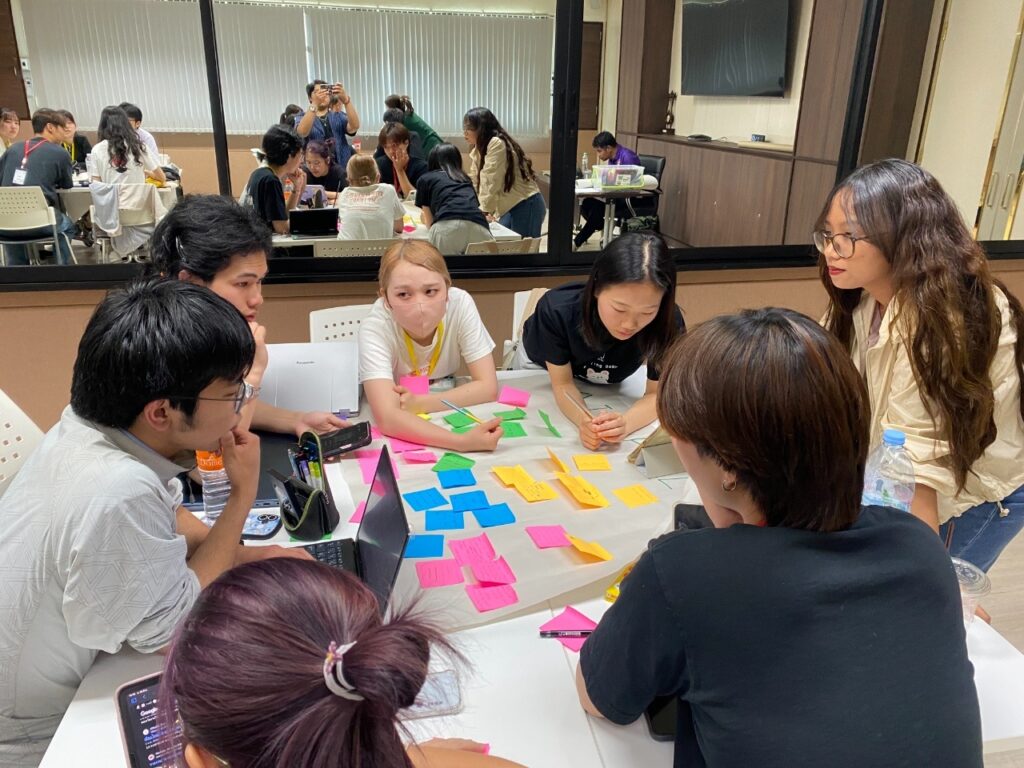
Hackathon & Innovation Challenges – a core feature of our programs is that students have the chance to join sustainability-focused hackathon at Chiang Mai University, where they collaborate with local CMU students to propose innovative solutions to pressing issues. Through this experience students will strengthen future ready 21st century skills in: teamwork, problem-solving, collaboration, presentation and social innovation. 

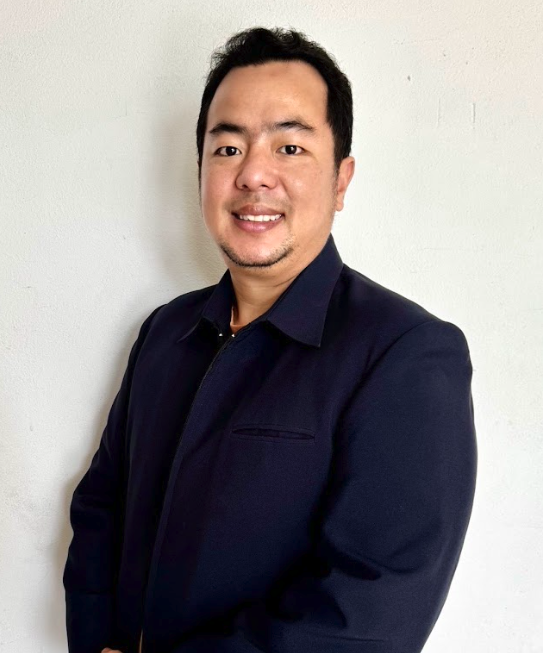
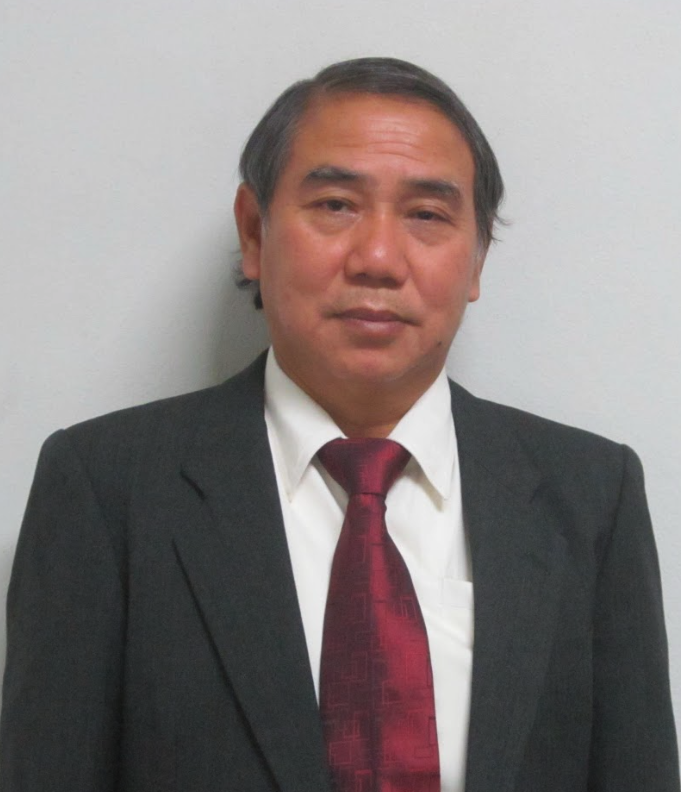
Program Instructors & Facilitators

Global Sustainability School

22 August - 5 September 2026
฿ 41,000 Summer Edition 2026
  • SDG-6 - Water Security
  • Climate Change, Flooding & Community Resilience
  • Program Fees, Accommodation (13-night), Logistics & Partial Meals
  • Certificate of Completion
Summer 2o26

Global Sustainability School

13-19 December 2026
฿ 32,500 Winter Edition 2026
  • SDG-11 - Sustainable Cities & Communities
  • Footprint & Futures - Sustainable Tourism
  • Program Fees, Accommodation (6-night), Logistics & Partial Meals
  • Certificate of Completion & Academic Transcript
winter 2026

Frequently Asked Questions

What is the Sustainability School at LICMU?

The Sustainability School is a short-term, immersive inbound program launch in 2022 that allows international undergraduate & postgraduate students to explore sustainability through experiential learning, field visits, interdisciplinary lectures, cultural engagement and innovation activities. Students will learn about sustainability challenges in northern Thailand and the ASEAN region while developing practical skills in teamwork, communication and problem solving.

Who can join the Sustainability School?

The program is designed for:

  • International university students (undergraduate or postgraduate)
  • Faculty-led groups
  • Study abroad cohorts and short-term inbound programs
  • Learners interested in sustainability, environment issues, public policy, development studies, business or social innovation

No sustainability background is required. Students should be ready to participate activity in field learning, group work and presentations. 

How long is the program?

Program are available in 1-2 weeks, and longer formats can be arranged depending on partner university needs. The program is modular and can be customized based on learning outcomes and academic goals. 

What topics does the Sustainability School cover?

Program themes may include:

  • Air pollution and transboundary haze
  • Sustainable food systems and food security
  • Water Security and climate adaptation
  • Reforestation, biodiversity, biodiversity and ecosystem restoration
  • Sustainable Cities and Communities
  • Green Tourism
  • Carbon Footprint Reduction

Themes can be tailored to match the priorities of partner institutions and student interests and may include a combination of environment, social, economic and cultural perspectives. 

Does the Sustainability School include English Language Learning?

For Spring and Summer Editions of the Global Sustainability School we offer Global English communication classes. These classes have been designed to help students communicate ideas confidently in an international setting. Students will practice discussion, team work communication, presentation skills and other skills necessary in order to succeed in academia.

Who delivers the program?

Language Institute is a hub at Chiang Mai University for inbound sustainability programs and works closely with CMU faculties, research centres and local experts to deliver high quality academic content. This cross-university model allows students to learn from multiple disciplines while benefiting from the Language Institute’s expertise in international program design and delivery. 

Is the Sustainability School an academic credit program?

The Sustainability School is typically offered as a non-credit, customized short program. However it can be designed to align with partner university academic requirements, and support documents can be provided (e.g. syllabus outline, contact hours, learning outcomes, assessments and certificate of completion)

What is a typical daily schedule like?

A typical day may include:

  • Morning lectures of interactive workshops
  • Field visits or community engagement activities
  • Sustainability Lab sessions and teamwork
  • Reflection activities (journaling, discussion and feedback)
  • English for Global Communication sessions
  • Final presentation near the end of the program. 

Schedules vary depending on program themes, sessions and partner needs. 

What kind of field visits do students participate in?

Field visits vary by theme but may include learning sites such as:

  1. Community-based environmental initiatives 
  2. Agriculture and food systems learning sites
  3. Natural resource management and restoration sites
  4. Natural resource management and restoration sites
  5. Social enterprises, NGOs or sustainability innovators
  6. Policy and governance related learning venues.

All visits are curated with learning objectives and student safety in mind. 

Is it possible for our university to learn more about sustainability in other parts of Thailand or even in southeast Asia?

Absolutely, we partner with other universities and educational institutions across the country. We have partnered with universities in Bangkok to look at mangrove and coastal erosion challenges to beach clean up operations in the south of Thailand. 

We have also successfully partnered with universities in Hanoi, Vietnam for comparative sustainability projects, analyzing how sustainability challenges are managed at a local level in different cities across southeast Asia. 

I want to develop a faculty-led or tailored program through LICMU Sustainability School, who can I reach out to?

For more information or to partner with us on sustainability projects in northern Thailand, contact Karim Hussain, General Manager and Head of International Development at karim.hussain@cmu.ac.th